The UK is moving waste records from paper to a single digital service. The first deadline has already passed. This page explains the dates, who is in scope, and what a London business should be doing about it now.
A note on the name. DWT stands for Digital Waste Tracking. We are a London commercial waste company, not the government service, and we chose the name because weighing and tracking every bag digitally is how we have worked from the start. If you are looking for the official service, the GOV.UK guidance is the place to go. If you want a waste partner whose records are already digital, read on.
What is the government's digital waste tracking service?
It is a national record of where waste goes at each stage of its journey, run by Defra and the environmental regulators. Instead of paper waste transfer notes and quarterly returns, every load received at a permitted site is reported online, giving regulators a complete, auditable trail. Defra puts the cost of waste crime at around £1 billion a year, and the service is designed to make fly-tipping, illegal exports and false disposal records far harder to hide.
It is being introduced in phases. Permitted waste receiving sites came first. Waste collectors come next. Waste exemption holders follow later.
It has teeth. GOV.UK guidance updated on 19 October 2026 lists the consequences of not reporting: a compliance notice, an enforcement cost recovery notice, a fixed penalty of £1,000, a variable penalty with no upper limit, and criminal prosecution. Knowingly making false records can carry up to two years in prison.
Key dates
Dates taken from GOV.UK guidance (timeline page updated 1 October 2026, reporting guidance updated 19 October 2026), checked by DWT on 23 October 2026. See the sources below for any later changes.
Does it apply to a London business that produces waste?
Not directly, yet. The current rules fall on the sites that receive waste and, from October 2027, on the carriers, brokers and dealers who collect it. If you run an office, shop, restaurant or managed building, you are a waste producer. Nobody is asking you to log into the government service.
Two things still land on your desk. Your waste contractor will soon have to report what they collect from you digitally, and the accuracy of that record depends on the information they capture at your door. And separately, Simpler Recycling already requires you to present waste in separate streams.
Simpler Recycling: the rule that applies to you now
Since 31 March 2025, workplaces in England with 10 or more full-time equivalent staff must arrange separate collections of food waste, paper and card, glass, metal, plastic and residual waste. Micro-firms with fewer than 10 staff have until 31 March 2027. It applies to offices, retail, hospitality, schools, healthcare and most other non-domestic premises, whether or not you serve food.
The Environment Agency can issue compliance notices to workplaces, to waste collectors, and to landlords or facilities managers who present waste on a producer's behalf. Failing to comply with a notice is an offence.
- Separate food waste, even if you don't serve food
- Separate paper and card, glass, metal and plastic from residual waste
- Landlords and managing agents presenting waste for tenants are in scope
- Keep evidence that streams are being collected separately
How DWT is already the answer
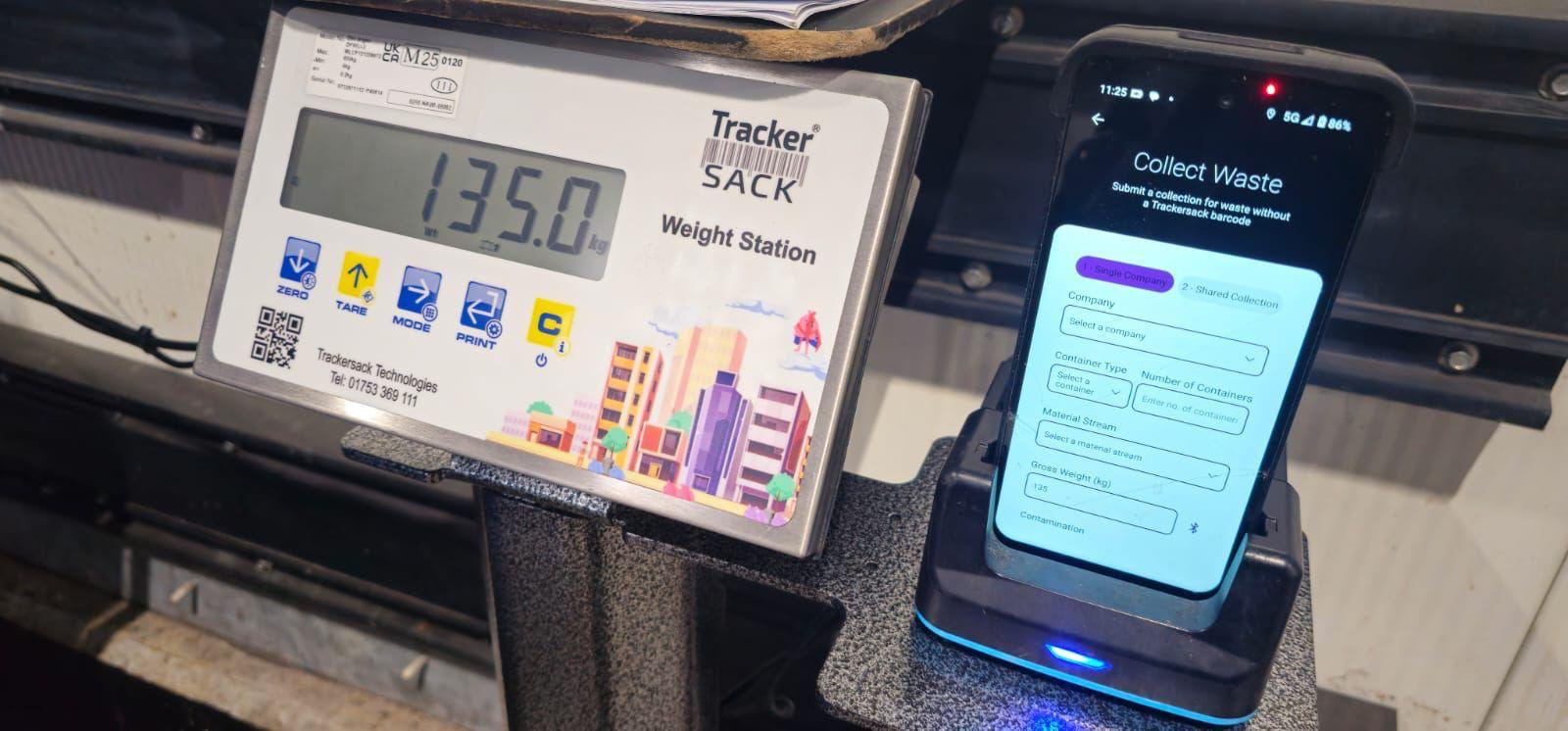
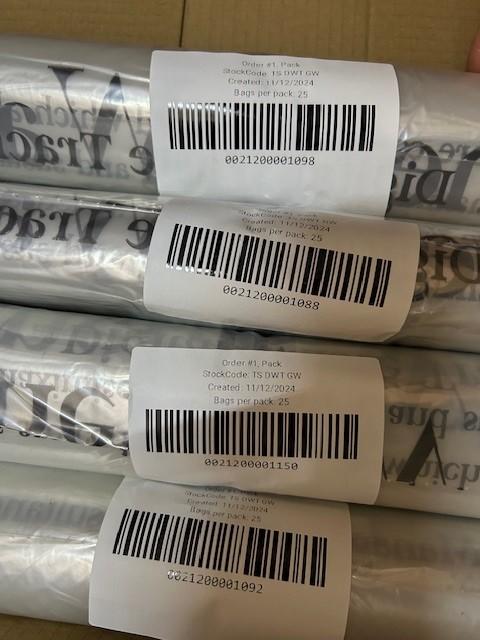
Everything the new regime asks the waste industry to record, we already record for our customers. Every bag we collect is scanned and weighed at the point of collection using Trackersack technology, with the waste stream, the location and, in multi-tenanted buildings, the occupier it came from. Rule by rule:
- Weight and waste stream recorded per bag, not estimated per bin lift
- Evidence that food, recycling and residual waste are separated, for Simpler Recycling
- Contamination flagged with photographic evidence
- Occupier-level records for fair recharging and sustainability reporting
- Digital dashboards and exports, ready for audits and ESG returns
- Keep your existing contractor if you prefer, and add our standalone data collection
Frequently asked questions
Does digital waste tracking apply to my business in London?
Not directly yet. The first phase, mandatory from 1 October 2026, applies to licensed and permitted sites that receive waste. The second phase, from October 2027, applies to the carriers, brokers and dealers who collect it. If you produce commercial waste, your contractor will be in scope and will need accurate information about what they collect from you. Separately, Simpler Recycling already applies to most London workplaces.
What is the difference between digital waste tracking and Simpler Recycling?
Simpler Recycling sets out what workplaces in England must separate: food, paper and card, glass, metal, plastic and residual waste. Digital waste tracking is the government's record of where waste goes after it leaves you, replacing paper-based tracking over time. One is about how you present waste, the other about how its movement is recorded.
Will I still need waste transfer notes?
Yes, for now. Government guidance says paper waste transfer notes, Annex VII forms and hazardous waste consignment notes continue alongside the digital service during the transition.
Is DWT the same as the government's digital waste tracking service?
No. DWT Waste Management is a London commercial waste company. We have tracked and weighed every bag we collect digitally since we started, which is where our name comes from. The government service is the national reporting system that waste sites and collectors must use. Our data helps our customers and our own reporting meet it.
What should a London building be doing now?
Three things. Make sure waste is separated in line with Simpler Recycling. Check your waste contractor can give you accurate records of what leaves your building, by weight and waste stream. And if you manage a multi-tenanted building, start recording which occupier produces what, so recharges and sustainability reporting are based on fact.
Sources
- Developing the digital waste tracking service (GOV.UK)
- Digital waste tracking: check if you need to report the waste you receive (GOV.UK)
- Simpler Recycling: workplace recycling in England (GOV.UK)
- Digital Waste Tracking goes live (Environment Agency blog, 30 April 2026)
- Digital waste tracking: what is it and why it matters (Defra blog, 28 April 2026)
This page is a general guide, reviewed 23 October 2026. It is not legal advice. Requirements differ between England, Wales, Scotland and Northern Ireland and may change. Always check the current GOV.UK guidance or speak to the Environment Agency.
Already tracked. Already weighed. Already digital.
Talk to us about your waste data